Lapis Lazuli Easter Egg
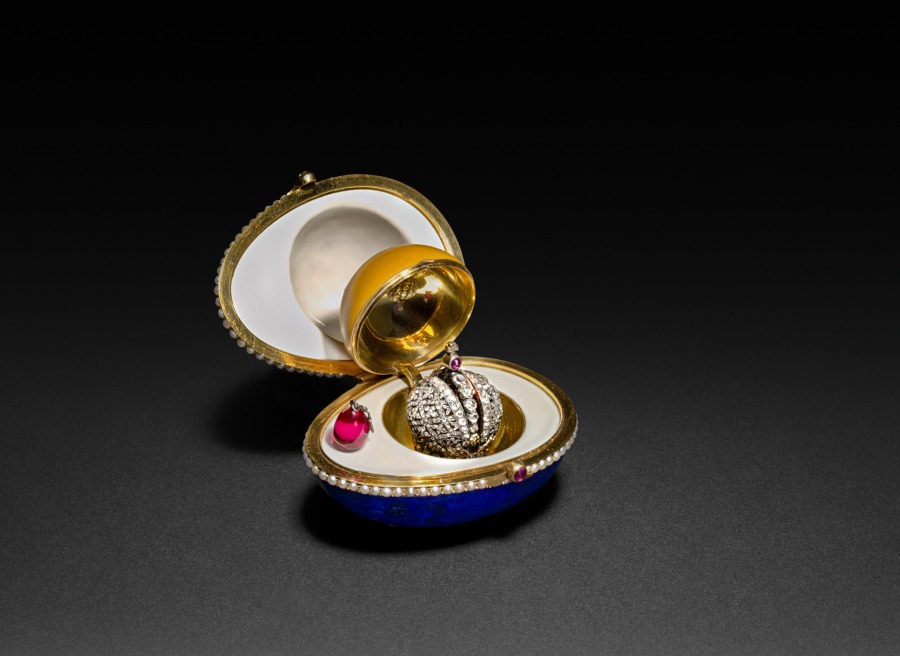
| 작가 | Peter Carl Fabergé (Russian, 1846–1920) |
|---|---|
| 제작 시기 | c. 1885–90 |
| 분류 | Miscellaneous |
| 재료·기법 | gold, enamel, lapis lazuli, pearls, diamonds, rubies |
| 문화권 | Russia, St. Petersburg |
| 소장 부서 | Decorative Art and Design |
| 이용 조건 | 퍼블릭 도메인 (CC0) — 수업·인쇄에 자유롭게 사용 가능 |
작품 설명
Peter Carl Fabergé became the crown jeweler to the imperial court of Russia in 1885 after he produced the very first Easter egg for Tsar Alexander III to give to his wife, Empress Marie Feodorovna. Fabergé created his celebrated Easter eggs, symbols of rebirth and renewal, as gifts for the Russian imperial family every year until he had to leave the country in 1919 after the Russian Revolution. Made of gold and lapis lazuli from the Ural Mountains, this egg opens to reveal a compartment enameled to resemble an egg yolk, which contains yet another delightful surprise of an imperial crown holding a tiny ruby or pink sapphire on a chain.
수업에 이렇게 활용하세요
이 작품은 퍼블릭 도메인이라 수업 자료로 자유롭게 내려받아 인쇄하거나 화면에 띄워 쓸 수 있습니다. Peter Carl Fabergé의 표현 방식을 관찰하고 따라 그려 보거나, gold, enamel, lapis lazuli, pearls, diamonds, rubies 기법에 대해 이야기 나누는 감상 수업에 활용할 수 있습니다.
함께 보면 좋은 작품
- Imperial Red Cross Easter Egg — Peter Carl Fabergé
- Lapis Lazuli Easter Egg — Peter Carl Fabergé
- Miniature Crown Surprise from the Lapis Lazuli Easter Egg — Peter Carl Fabergé
- Ruby or Pink Sapphire Surprise from the Lapis Lazuli Easter Egg — Peter Carl Fabergé
이미지 출처: 클리블랜드 미술관(The Cleveland Museum of Art) 오픈액세스. 원본 소장 정보 · LUNA WHALE ART에서 더 많은 명화 검색하기